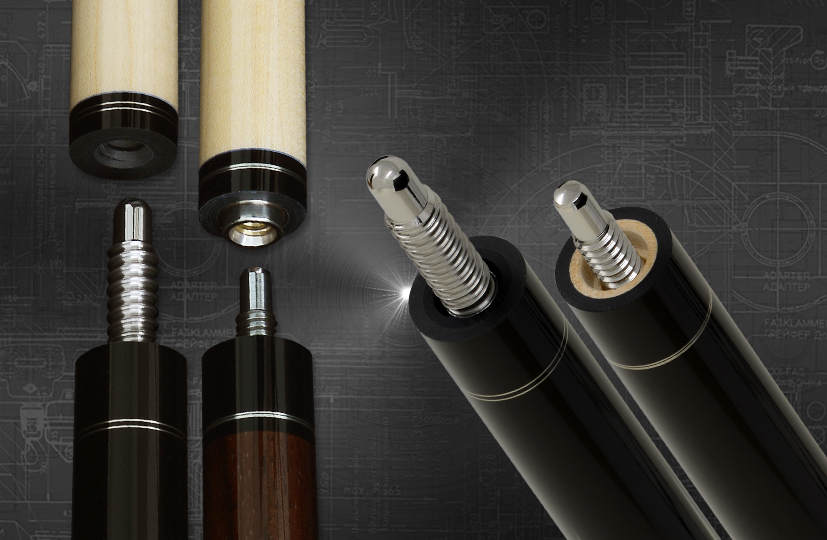
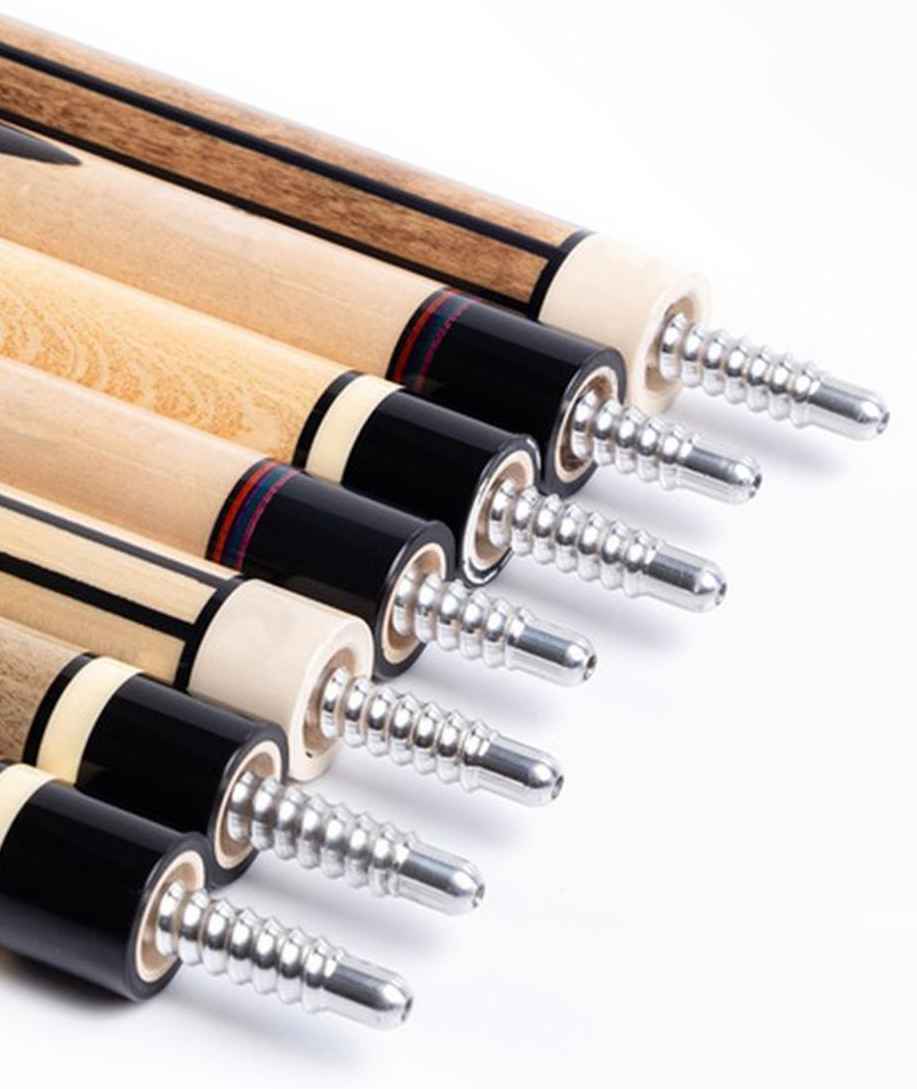
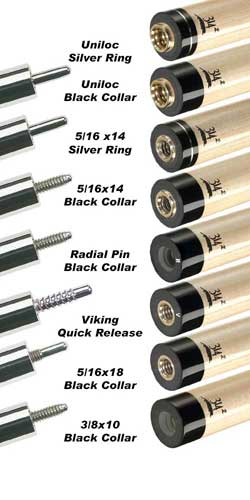
Steel Joint vs. non-steel Joint (Phenolic / Juma / Elforyn / Ivory) – Which Do You Prefer?

july9x

AzB Silver Member
Silver Member
I'm curious to hear from players who have tried both steel and non-metal joints such as Phenolic / Juma / Elforyn / Ivory (white or black hard plastic typed meterial)

Which do you prefer, and why? I'm interested in differences in hit feel, feedback, balance, and overall playability.

Does one feel stiffer or provide better feedback than the other, or is the difference mostly personal preference?

For those who have owned or played with both, which would you choose for your playing cue?
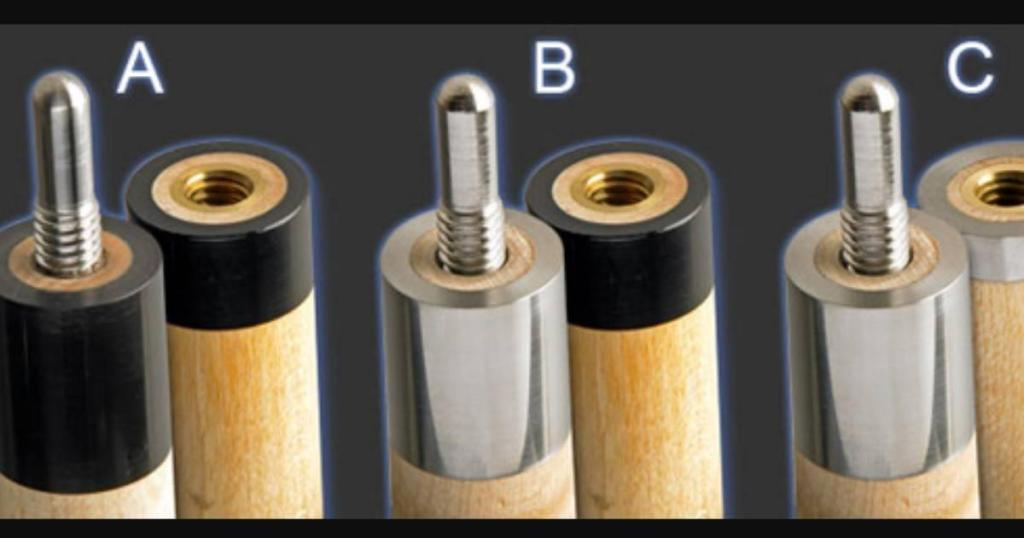
1791936897046.png
1791937107332.png

1791937024435.png
1791937080562.png
 
Last edited:
"difference in feel" is the side effect of difference in energy transfer.
In each shot, what the player feels is influenced by many more variables than those that influence the play. The play, i.e., the effect on the cue ball, can only be influenced during the short time the cue tip is in contact with the cue ball, so only the end of the shaft, tip, and ferrule matter. What the player feels has no such time limitation. The player will feel the waves traveling back and forth along the cue until the let go of the cue or the waves dissipate. Physics dictates that the butt has no effect on the play, but can have a substantial effect on the feel.

If you believe otherwise, please explain the physical mechanism(s) by which the butt affects how the cue plays.
 
The cueball is already gone by the time any vibrational waves travel back from the butt to the tip. The cueball doesn't "know" anything about the construction of the butt, whether it's made from cocobolo, bacote, purpleheart, or a broom handle. The butt has a large effect on the feel for the player, but it has zero effect on cueball movement. To credibly claim otherwise, one would need to explain how information about the butt made it back to the cueball during the hit.
Yes, the cue ball has already started moving before the tactile feel becomes discernible.

Duh……and your point would be…….what? That the player can’t feel anything that is
discernible about hitting the CB too hard or using too much or not enough follow or
a stop shot that didn’t? Feedback helps a player determine what to adjust to produce
the desired results on a consistent basis. You learn what to change and do differently.

The vibration does not occur simultaneously with the tip contact on the CB. It directly
results from the energy used to stroke the cue ball that gets transmitted. It means the
CB started moving with stroke contact that transmits up the cue shaft upon the tip hit.
It makes sense to me. I felt it in my golf & softball swings and especially tennis racket.
 
How a cue feels is not the same as how a cue plays. Lots of things affect the feel. Relatively few variables affect the play.

How a cue plays has less to do with how the cue maker constructed it
and a whole lot more to do with the player that is using the pool cue.

The bottomline is it’s the player, i.e., Indian and not the cue. i.e., arrow.
 
How a cue plays has less to do with how the cue maker constructed it
and a whole lot more to do with the player that is using the pool cue.

The bottomline is it’s the player, i.e., Indian and not the cue. i.e., arrow.
I agree that the player matters far more than the cue. However, that's neither here nor there w/r/t this branch of the thread, which is about whether or not the butt can affect the cue's play (beyond contributing to the cue's total mass).
 
So, I just picked up a 1996 Joss JSW12 with a Herculite joint. LINK

Wondering how that will play, what magic it might have in it... :unsure: 🤪

WTF is Herculite? Some kind of fancy name for a plastic I suppose. Nice cue anyway.

heracles-1.jpg
 
Back
Top