
Homemade Tip Replacement Lathe

nataddrho

www.digicue.net
Silver Member
I purchased parts to make a homemade tip changing lathe. There are a couple other threads similar to this but their picture links are broken.

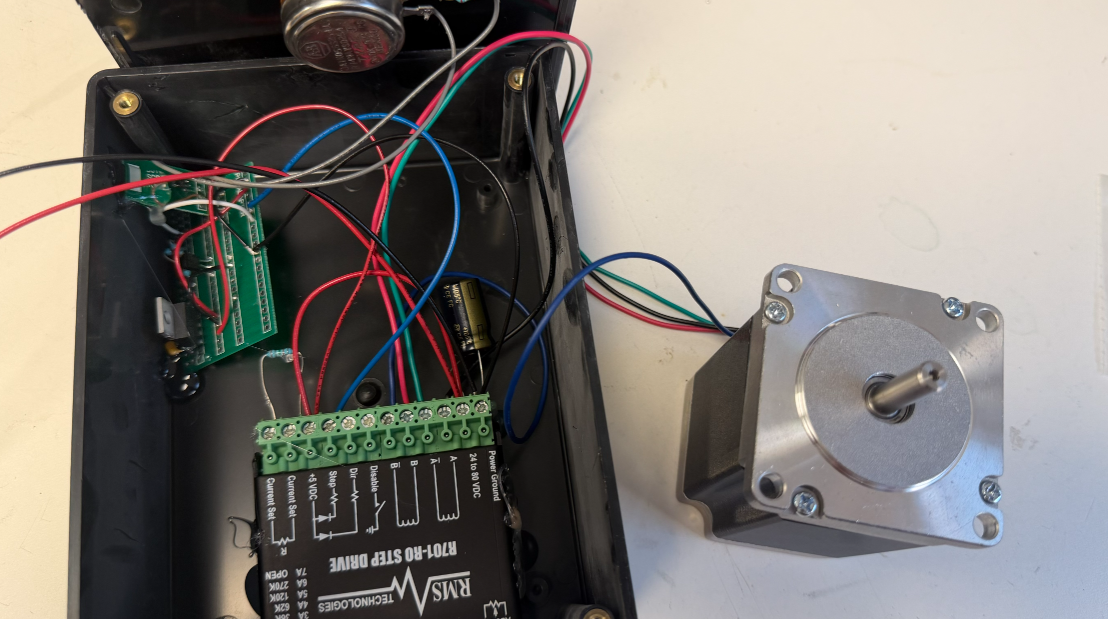
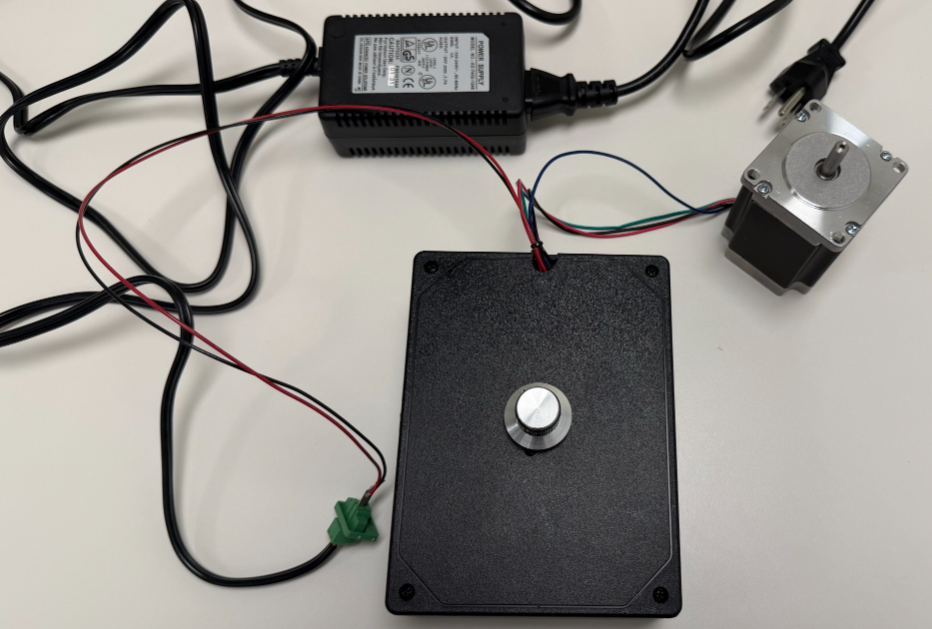
I already made a speed controller out of spare parts that I had, which generates 270 oz-in (1.4 ft-lbs) of torque from 100 to 1000 RPM... I think this is enough for tip shaping work...
1782226269915.png
1782226296071.png


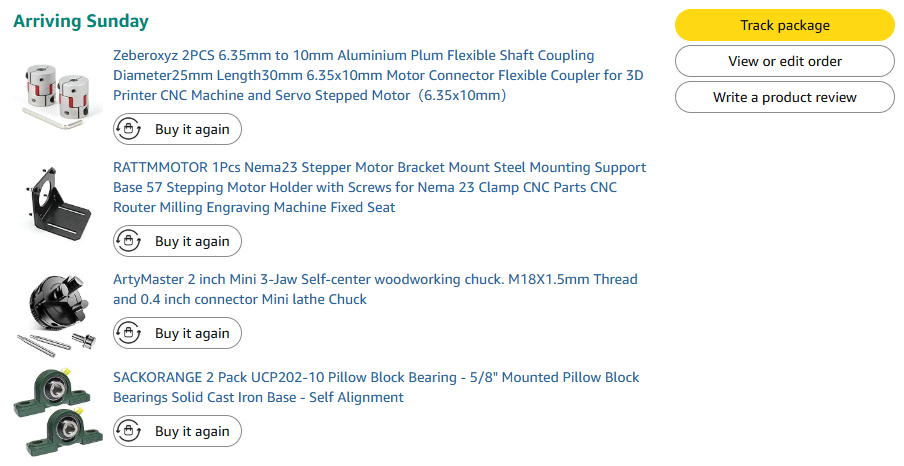
I am planning on directly coupling the motor to a chuck. I'll use cloth or electrical tape on the joint end of the shaft. The tip end of the shaft will fit though a pillow bearing with collets. My amazon order is under $101 including shipping.

1782226230151.png

1782226527847.png


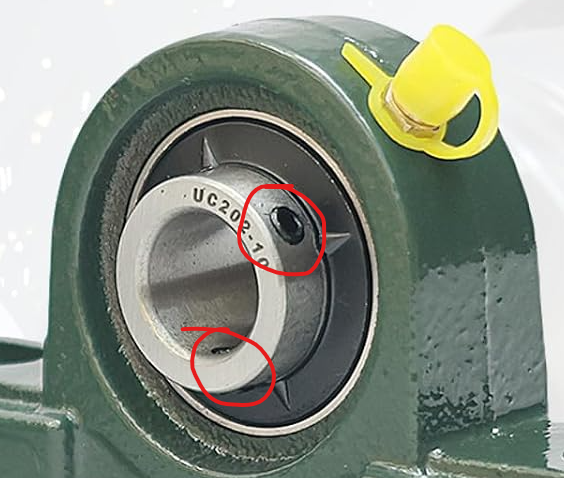
The bearings have set screws in them which I hope will allow me to adjust them using a dial caliper (which I don't own yet). I just plan on using a block of wood with a razor blade screwed into the top as a tool, or maybe just a block of sand paper.
1782226810808.png


Is there anything I am missing?
 
Maybe add a dial indicator to make sure the shaft is true in the pillow bearing? 5/8" collet in a 5/8" bearing should be pretty close though.

What are you going to mount all of this to? Aluminum extrusion should work pretty nicely if you don't have something already planned.

I'm interested to see how it turns out.
 
Besides the joy of DIY, is there a benefit over a ready product?
I’m sure that there are some cheap ready products out there just for tip replacements.

Do you need it for personal use or are you planning to offer repair services?
For personal use, you can just do it by hand.
If you’re going to offer repairs, then you might want to consider a pro lathe that can do more than tip as you’ll probably grow into that direction and it’s cheaper to get the right tool from the beginning
 
With the parasitic losses of the crap bearings, I bet against that motor ever having the torque necessary at the speed needed for even cutting tips.
 
Maybe add a dial indicator to make sure the shaft is true in the pillow bearing? 5/8" collet in a 5/8" bearing should be pretty close though.

What are you going to mount all of this to? Aluminum extrusion should work pretty nicely if you don't have something already planned.

I'm interested to see how it turns out.
Yes I mentioned I need one, though I called it a dial caliper. Indicator seems to be the more common word.

I have a piece of 80/20 I can use. I just need the mounting hardware.
 
Besides the joy of DIY, is there a benefit over a ready product?
I’m sure that there are some cheap ready products out there just for tip replacements.

Do you need it for personal use or are you planning to offer repair services?
For personal use, you can just do it by hand.
If you’re going to offer repairs, then you might want to consider a pro lathe that can do more than tip as you’ll probably grow into that direction and it’s cheaper to get the right tool from the beginning
This is just for personal use. Since I already have half of the parts, for $100 it is worth just making it. I will use it about once or twice a year.

The only reason I am making it is because I have a lot of motors with nothing to use them for. It would be a shame to keep letting them all sit there.
 
With the parasitic losses of the crap bearings, I bet against that motor ever having the torque necessary at the speed needed for even cutting tips.
I am only using one bearing, and I can adjust the driving torque up to 2.5 ft-lbs if I need to. I'll just have to point a desk fan at the stepper if I do that.

But even if I lose 10% to drag, 1.25 ft-lbs is still plenty for sand paper.

Most cue lathes have 0.75-1.5 HP motors, which produce roughly 2-4 ft-lbs of torque.

Finally I can increase the clock speed of the controller and use a belt system for more torque at the same speed. Lots of options.
 
I purchased parts to make a homemade tip changing lathe. There are a couple other threads similar to this but their picture links are broken.

I already made a speed controller out of spare parts that I had, which generates 270 oz-in (1.4 ft-lbs) of torque from 100 to 1000 RPM... I think this is enough for tip shaping work...

View attachment 912839 View attachment 912840

I am planning on directly coupling the motor to a chuck. I'll use cloth or electrical tape on the joint end of the shaft. The tip end of the shaft will fit though a pillow bearing with collets. My amazon order is under $101 including shipping.


View attachment 912838
View attachment 912841

The bearings have set screws in them which I hope will allow me to adjust them using a dial caliper (which I don't own yet). I just plan on using a block of wood with a razor blade screwed into the top as a tool, or maybe just a block of sand paper.

View attachment 912842

Is there anything I am missing?
I want to tell you from experience I've got seven lathes sitting in a shop. Forget the Rube Goldberg setup. To start just go by yourself and inexpensive mini lathe. With a few simple mods it'll do what you want. If it turns out you like what you're doing and want to go with something even bigger and more capable. Surprisingly you won't get rid of the mini lathe cuz it'll still have uses. making ferrul and various things.

And that's all I'll say on the subject i know you're going to do what you want but I hope other people who have mini lathers and have had a lot of fun with them working on cues will chime in. Also you can get an inexpensive wood lathe long enough to put a cue between centers for rewrapping finishing polishing and a whole bunch of other things.
 
I want to tell you from experience I've got seven lathes sitting in a shop. Forget the Rube Goldberg setup. To start just go by yourself and inexpensive mini lathe. With a few simple mods it'll do what you want. If it turns out you like what you're doing and want to go with something even bigger and more capable. Surprisingly you won't get rid of the mini lathe cuz it'll still have uses. making ferrul and various things.

And that's all I'll say on the subject i know you're going to do what you want but I hope other people who have mini lathers and have had a lot of fun with them working on cues will chime in. Also you can get an inexpensive wood lathe long enough to put a cue between centers for rewrapping finishing polishing and a whole bunch of other things.
My budget is $100
 
I purchased parts to make a homemade tip changing lathe. There are a couple other threads similar to this but their picture links are broken.

I already made a speed controller out of spare parts that I had, which generates 270 oz-in (1.4 ft-lbs) of torque from 100 to 1000 RPM... I think this is enough for tip shaping work...

View attachment 912839 View attachment 912840

I am planning on directly coupling the motor to a chuck. I'll use cloth or electrical tape on the joint end of the shaft. The tip end of the shaft will fit though a pillow bearing with collets. My amazon order is under $101 including shipping.


View attachment 912838
View attachment 912841

The bearings have set screws in them which I hope will allow me to adjust them using a dial caliper (which I don't own yet). I just plan on using a block of wood with a razor blade screwed into the top as a tool, or maybe just a block of sand paper.

View attachment 912842

Is there anything I am missing?

Those bearings are dandy for farm equipment or off road vehicles, but for fine or semi-fine woodwork? Those set screws are intended to hold your shaft key in place or bore a bit into the side of the shaft. If you screw them into the plastic collet, you may end up with a ding in the collet, and little else. If put in softly to avoid drilling the plastic, they may back themselves out.

Are you using one pillow block bearing or two? If you are using two, they should be self centering, although using a cue shaft to self center them could be risky, as it may take some force to get them out of their seating. If they self center, and the collets give a snug fit, that may be the best you can do with this system, and it may well be enough.

Your stated torque is consistent with about 0.33 HP at 1000 rpm, which is about what some prepackaged cue lathes come with.

Suggest you buy some half inch dowel and cheap tips to practice on.
 
Those bearings are dandy for farm equipment or off road vehicles, but for fine or semi-fine woodwork? Those set screws are intended to hold your shaft key in place or bore a bit into the side of the shaft. If you screw them into the plastic collet, you may end up with a ding in the collet, and little else. If put in softly to avoid drilling the plastic, they may back themselves out.

Are you using one pillow block bearing or two? If you are using two, they should be self centering, although using a cue shaft to self center them could be risky, as it may take some force to get them out of their seating. If they self center, and the collets give a snug fit, that may be the best you can do with this system, and it may well be enough.

Your stated torque is consistent with about 0.33 HP at 1000 rpm, which is about what some prepackaged cue lathes come with.

Suggest you buy some half inch dowel and cheap tips to practice on.
Good feedback. Thanks!
 
Check with Chris hightower for some ideas. Even if you don't end up buying anything from him just looking at his website is food for thought.
He has a great site. I am not interested in any type of wood working, and I play only with carbon fiber cues. But the collection of lathe parts on his site is very comprehensive. He also has some tips available for sale. Since I keep my cues in my garage the humidity / temperature variations cause the tips to delaminate. I am thinking of switching to Water Buffalo or Triangle single layer tips. I play three cushion so I hear these are appropriate and may solve my problem.
 
Back
Top