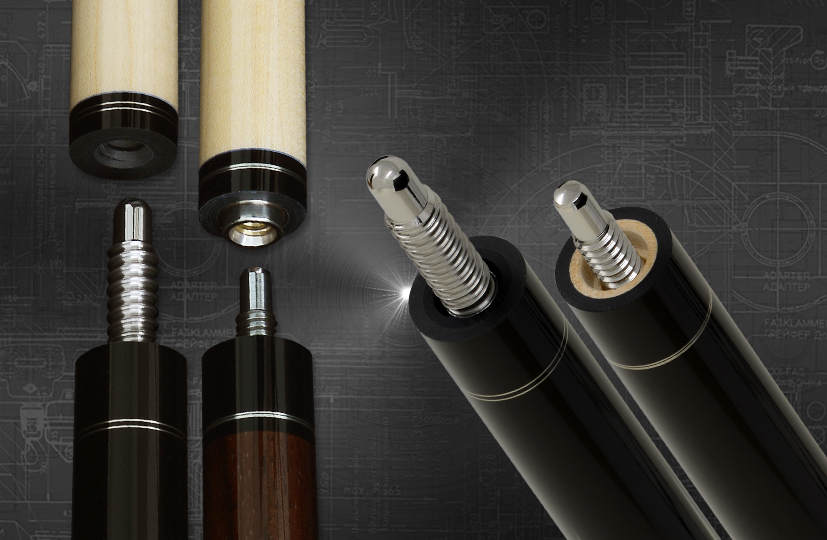
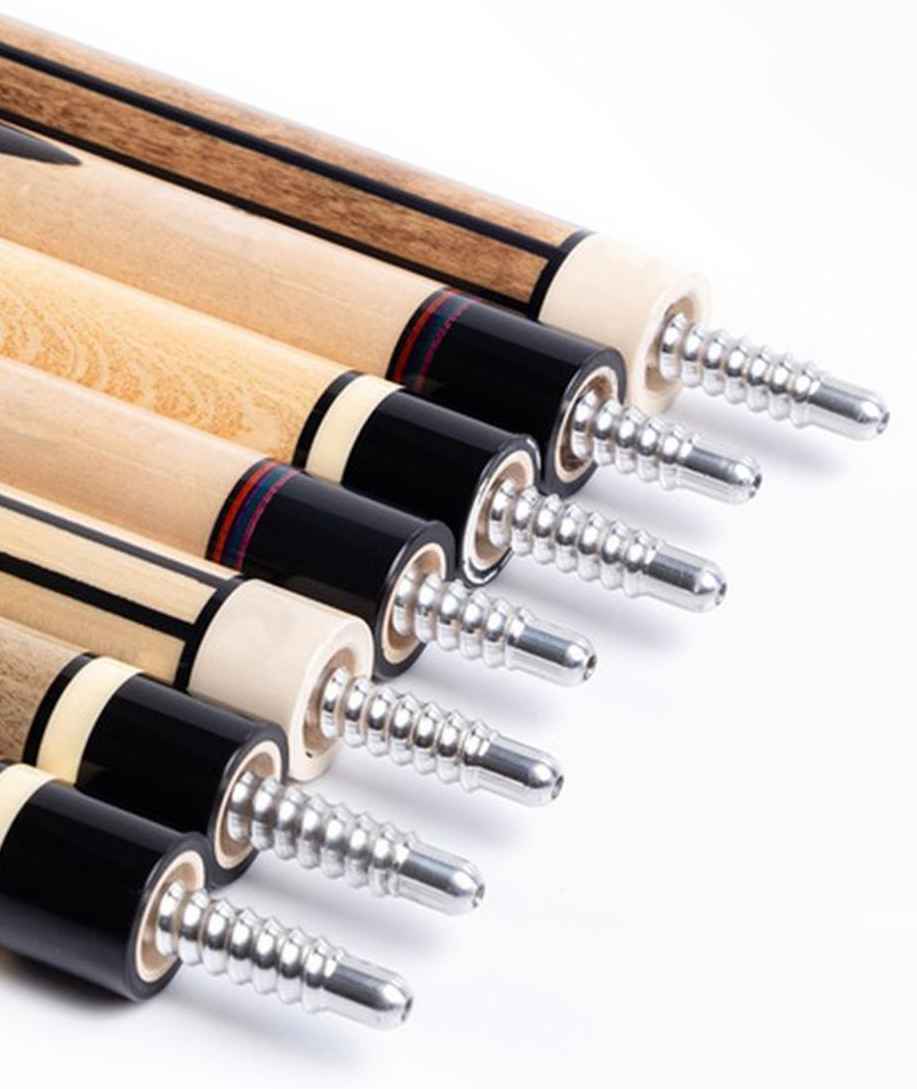
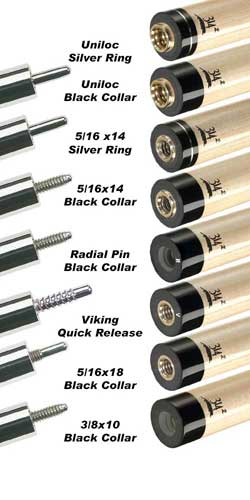
Steel Joint vs. non-steel Joint (Phenolic / Juma / Elforyn / Ivory) – Which Do You Prefer?

july9x

AzB Silver Member
Silver Member
I'm curious to hear from players who have tried both steel and non-metal joints such as Phenolic / Juma / Elforyn / Ivory (white or black hard plastic typed meterial)

Which do you prefer, and why? I'm interested in differences in hit feel, feedback, balance, and overall playability.

Does one feel stiffer or provide better feedback than the other, or is the difference mostly personal preference?

For those who have owned or played with both, which would you choose for your playing cue?
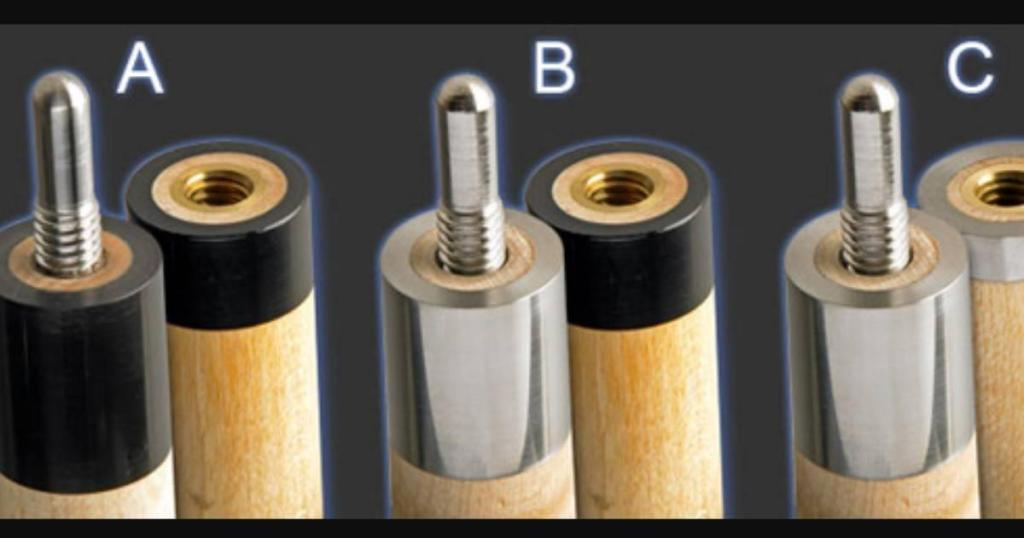
1791936897046.png
1791937107332.png

1791937024435.png
1791937080562.png
 
Last edited:
I have cues that are 5/16x14 piloted steel joints, and also 1 cue that is a 5/16x14 piloted solid ivory joint, there’s no sleeve. I can mount the same shafts on both cues and there is a very distinct difference in the hit, sound and feel between the steel and ivory piloted joints with the same shafts. Soooooo, explain that then. 🤷🏻‍♂️
All that tells us is that the butt affects the feel of the hit, even if it's just the last several inches of the shaft that matter w/r/t how the cue plays. It doesn't tell us anything about effect the joint itself has on the hit. There's no way to keep all else equal between two cues, only changing the joint.
 
Piloted steel is the most durable joint but my pool stroke isn’t about pool cue durability. It’s about balance and feel.

There is but one that’s the best but it can wear out over decades of use so wood to wood doesn’t make the cut.
Just look at the cues in my signature. Flat ivory cue joints, not piloted ivory, are the best to play with I’ve learned.

Unfortunately, ivory poaching has ruined the use of pre-ban ivory that’s completely legal to use building a pool cue.
Various state legislatures have enacted laws prohibiting the purchase & sale of raw and finished ivory in artifacts.

If you are fortunate to reside where ivory is available, you should locate some flat ivory cue joints and hit some balls.
The best flat ivory joints use a big pin screw. Lots of others may disagree but then again, they haven’t tried my cues.

My Scruggs uses a radial pin and I added a 4 oz. Kielwood shaft that obviously was made by another cue maker. The combo is so sweet and hits so smooth, I have friends asking me to tell my kids after I’m gone they’ll buy it.

Suggestion…..go lighter in cue weight…….19-19.25 ozs max. My Scruggs is 18.45 ozs. It plays just superbly.
 
Very interesting interview with Crossroads cues and Carmeli cues just posted on Facebook about the different hit of different woods in cue butts. For those that say a butt is just a butt, I wouldn't be so sure about that.
I must correct, wasn't specifically just dealing with different woods, that just came up when discussing a few different ones on display. Also as to how they have adjusted their coring methods since laminated cores have been hard to get.
 
Last edited:
Everyone’s opinion matters. It expresses one’s views on the subject under discussion and should never be dismissedout of hand. Keep in mind there could be lots of other that feel like you do but are reticent to post.
If you posted, it might encourage others to do the same. Anyway, your comments opens the door and invites others to also chime in.
 
I've owned more cues than any 10 people have a right to.

From $100 bangers to high-end Black Boars and Tascarellas.

For me....steel piloted 5/16 14 is the only way to go
 
Outside of the "hit" of the cue, I prefer non-steel joints with heavier wood forearms. They feel more "natural". A maple forearm with steel joint will likely balance differently. The average balance point might be the same as a non-steel joint, but it usually feels different when stroking.
 
Back
Top