
You are using an out of date browser. It may not display this or other websites correctly.
You should upgrade or use an alternative browser.
You should upgrade or use an alternative browser.
Removing nicks
- Thread starter GoldCrown
- Start date

I used to scuff the dent so the pores were open and take a the corner of wet cloth, put it on the dent and then put a clothes iron on the wet corner. Just heat it a couple seconds at a time. Should work well depending on the size/ depth of the dent. I did that when first learning repairs, I do it differently now.
I wouldn’t try it if it’s laminated.
I wouldn’t try it if it’s laminated.


What are you doing differently...thanksI used to scuff the dent so the pores were open and take a the corner of wet cloth, put it on the dent and then put a clothes iron on the wet corner. Just heat it a couple seconds at a time. Should work well depending on the size/ depth of the dent. I did that when first learning repairs, I do it differently now.
Wood onlyI wouldn’t try it if it’s laminated.
Message sentWhat are you doing differently...thanks
Wood only

Seems reasonable and simple. I was going to experiment with a soldering pen and damp cloth. I’ll experiment on a cheap scrap dowelI've used a damp Q-Tip heated in the microwave then pressed against the dent. Works well.
I usually place the shaft across the basin of the bathroom sink (Close fit), then turn the hot water on to a drip for about 20 mins. then knock down the grain with 1200. You will always have a scar, but the dings are goneSame as shafts/butts I have nicks in some canes. Oak and hickory. I’d like to remove them. I know steam is used… is a pin point steamer used. What are some techniques. Thanks.
I wet the Q-tip and set it on the dent. Just a quick touch with the soldering pen works wonders. Water is gone immediately. Wet again and repeat. If left on more than a second the shaft will get burned.Seems reasonable and simple. I was going to experiment with a soldering pen and damp cloth. I’ll experiment on a cheap scrap dowel

SSDiver2112
Esscot Custom Cues
This has worked well for me.
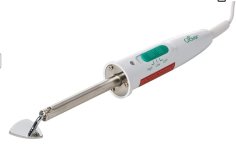
I usually do this in the lathe to hold the shaft and allow turning. Tear off a small piece of paper towel proportional to the dent and fold into a small wad. Wet with water and apply to the dent. Repeat for all trouble spots and wait five to ten minutes.
Then I use a $15 mini iron from Walmart to press the paper towel and steam the dent out. Lightly sand any raised grain then finish and burnish normally.
I usually do this in the lathe to hold the shaft and allow turning. Tear off a small piece of paper towel proportional to the dent and fold into a small wad. Wet with water and apply to the dent. Repeat for all trouble spots and wait five to ten minutes.
Then I use a $15 mini iron from Walmart to press the paper towel and steam the dent out. Lightly sand any raised grain then finish and burnish normally.
Does this seem reasonable or just get a mini iron?This has worked well for me.
I usually do this in the lathe to hold the shaft and allow turning. Tear off a small piece of paper towel proportional to the dent and fold into a small wad. Wet with water and apply to the dent. Repeat for all trouble spots and wait five to ten minutes.
Then I use a $15 mini iron from Walmart to press the paper towel and steam the dent out. Lightly sand any raised grain then finish and burnish normally.
Attachments
SSDiver2112
Esscot Custom Cues
If the price is right it should work just as good. It is a little easier to get in tight spaces. At the time veneer presses were pricey so I went with a mini iron.Does this seem reasonable or just get a mini iron?

I use the small dent-sized wad of wet paper towel, but without the lathe (I don't own one.). I let the paper towel dry. If the dent is still below the surface, I rewet my paper towel and let it dry. Once the area of the dent is above the surrounding surface, I use a smooth shot glass to knock it down even by rubbing over the high spot. I finish up by burnishing the shaft with my leather burnishing square. I don't use steam or heat.This has worked well for me.
I usually do this in the lathe to hold the shaft and allow turning. Tear off a small piece of paper towel proportional to the dent and fold into a small wad. Wet with water and apply to the dent. Repeat for all trouble spots and wait five to ten minutes.
Then I use a $15 mini iron from Walmart to press the paper towel and steam the dent out. Lightly sand any raised grain then finish and burnish normally.