
A nine-minute video with too much fluff and too little substance. Predator has remarkable engineering but the only interesting thing here is Predator's explanation for the popularity of the pre-cat-logo 314 shaft.
Why no mention that the 314 shaft was cored out? They show ten slices of wood from the 314 as a cure for inconsistency but not that it was cored out and this helped lower deflection. This could have answered the video title question, “How Predator changed billiards forever”.
The video explains why pre-Cat-logo 314 shafts are still popular: they were made of old-growth maple and they produced a thud when hit. Say what? Is that good? From the transcript:
Many of those early blanks were produced in Canada with dense old growth maple that's difficult to source today. Players describe the hit as a thud. No hollow feedback, no excessive vibration, just solid energy transfer. That sound, that feel, that's the moment Predator quietly changed the sport forever.
Again, no mention on how the sticks made low deflection. There are two patents put on screen without comment.
View attachment 871657__View attachment 871658
Here is most of the transcript from the video:
Hey guys, Paulo here from Spoton Billiards. If you've played pool seriously for any amount of time, there's one word you've definitely heard: Deflection.
For over a hundred years, players accepted it as part of the game. You wanted spin. You aimed away from the pocket and hoped your compensation was right.
Then in the mid '90s, everything changed. A new Q company stopped treating cues like artwork and started engineering them as performance instruments. That company is Predator. And the shaft that changed everything was called the 314.
Today we're going all the way back from the original pre-Cat 314 to how the Predator evolved into Z, Vantage, Revo, and Centro, and why this technology still matters.
But before we dive in, Spot On Billiards Predator Giveaway you're going to want to stick around until the very end of this video. We are giving away two massive prizes from Predator, including a full carbon fiber Revo setup and a limited edition 30th anniversary case. I'll give you the full details on how to enter at the end, so stay tuned. You don't want to miss this one.
The Problem and How Predator Discovered It
Before Predator, Pool was a game of feel and compensation. When you hit the Q ball off center to apply English, the Q ball doesn't go where you aim. It squirts, deflects away from your target. Every Q did it differently. Every shot rotated differently. humidity, grain, speed, all changed the outcome. So, players weren't just mastering their stroke, they were learning to guess their equipment's error.
Predators founders didn't accept that. They asked a simple question. What if the Q didn't fight the player at all?
The Birth Of 314 Predator was founded in 1994 by Alan Mccardi and Steve Titus. Their breakthrough didn't come from tradition. It came from testing. They built a robotic stroking machine nicknamed Iron Willie. Same stroke, same speed, same contact point over and over again. That's when they discovered the real enemy, end mass. The heavier the fronted the shaft, the more it pushes the Q ball offline during an offc center hit.
So, Predator did something no one else was doing. They created the low deflection shaft that is now famous worldwide. But the real genius came next. The name 314 isn't marketing fluff. It comes from pi, the mathematics of a circle. Traditional shafts are made from one piece of maple that creates a natural spine, a stiff side, and a soft side. Rotate the queue, and the queue plays differently. Predator eliminated that by cutting maple into 10 equal wedges, each at 36°, and laminating them into a perfectly radially consistent cylinder. No spine, no preferred direction, same hit. 30 360° around the shaft. This is why the shaft feels the same no matter how you rotate it in your hand. This wasn't a craftsmanship. This was calculus applied to pool.
The Pre-Cat Era
Those early shafts made before the Predator Cat logo are now legendary. Many of those early blanks were produced in Canada with dense old growth maple that's difficult to source today. Players describe the hit as a thud. No hollow feedback, no excessive vibration, just solid energy transfer. That sound, that feel, that's the moment Predator quietly changed the sport forever.
Less Mass = Less Resistance
Here's a simple version. Predator removes the mass from the front of the shaft. Less mass means less resistance. So, when the Q ball is struck off center, the shaft moves out of the way. Instead of pushing the Q ball offline, that means less compensation, more natural aiming, and more confidence using spin. You don't fight physics. You let physics work for you. Now, Predator didn't stop at the 314. They refined it. The 314 was the all-around benchmark. forgiving, familiar, and precise.
Then the Z shaft, which is a thinner, lower deflection surgical precision shaft. Then you've got the Vantage, which offers a thicker, stiffer for power players who still want tech. Each one provides different performance benefits, but they all trace their DNA back to the 314.
Then came Revo & Centro - The Modern Predator Revo carbon fiber. Zero warping, ultra- low deflection, maximum consistency. Some loved it, some missed the soul of wood.
So Predator did something very Predator-like. They hybridized it. Centro wood feel in the hand, carbon strength at the front, foam damped feedback. It's modern performance without losing the emotion of the hit.
The Spot On Billiards Angle Here at SpotOn, we understand the value of performance engineering. We offer products that work better, not just look better. Our Predator shaft isn't about marketing. It's about removing variables to increase performance. And at Spoton Billiard, we're not just selling Predator, we're supporting it. That means proper key repairs and maintenance backed with factory level care to keep your equipment performing at the highest level. You wouldn't buy a Ferrari without a certified shop. You shouldn't settle for less with your pool equipment In Conclusion either.
So the 314 didn't just introduce low deflection. It introduced performance to a sport built on guesswork which is now being standardized by most manufacturers as well. From the pre-cat shaft to the Revo Carbon to the hybrid perfection of Centro, Predator didn't change pool by accident. They engineered it. And if you want to experience that difference, you know where to
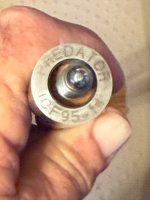
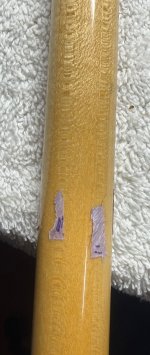
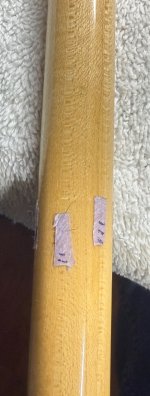
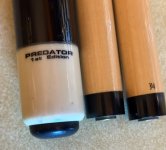
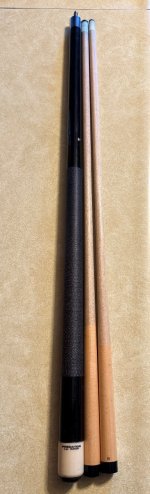
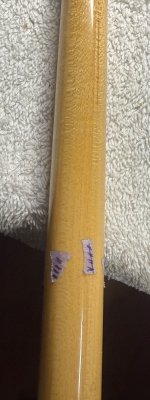
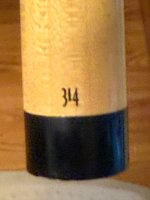
I I have a ICF – 19 predator Q model 14. I have the original six slice prototype shaft and I also have a 314 shaft.
Attachments
-
 IMG_0807.jpeg162.6 KB · Views: 41
 -
 IMG_0804.jpeg188.5 KB · Views: 45
 -
 IMG_0818.jpeg216.6 KB · Views: 42
 -
 IMG_0819.jpeg183.8 KB · Views: 44
 -
 IMG_0800.jpeg317.4 KB · Views: 41
 -
 IMG_0799.jpeg209.9 KB · Views: 45
 -
 IMG_0820.jpeg197.1 KB · Views: 46
 -
 IMG_0821.jpeg189.8 KB · Views: 40
 -
 IMG_0808.jpeg187.5 KB · Views: 42


