How do you level the ferrule?

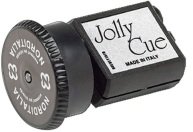
I like the idea behind the Rapid Cue Top Sander, BUT.... I don't like that you actually clamp the device directly to the soft wood shaft. I also don't like that the pictures of this device show what seems to be about 60 grit sandpaper.. Seems a little coarse.. Assuming that you would switch out to maybe 200-400, It looks as though you would have to re-clamp the shaft in this contraption more than a couple of times each use to get it sanded down to where it needs to be. I don't like it. I would never use one. But, I'm also fortunate to have one hell of a cuemaker right down the street.
 

Attachments

  • jollycue.jpg
    jollycue.jpg
    10 KB · Views: 205
Thank you for the answers but I don't need someone to replace my tip :) I started this thread to ask you if you have some tips and clues for this proccess or something like this :)


I got this.

I'm a tip perfectionist & do my own tips without a lathe. This is what i do.

1. cut old tip off, close to the ferrule....key word is close.

2. I use a razor blade held flush to the ferrule & slowly twist the shaft until all the leather is removed. This makes sure you don't round off the ferrule after numerous tip changes.


hope this helps
 
Hi AZers :) ,

I'm just curious what methods and tools do you use to level the ferrule when replacing a tip :)

Thank you ;)

PS : Although I don't have a lathe I've replaced a lot of tips and I know most of the tools but I am interested what different methods do you use ;)

Take it to a quality, professional Cuesmith & you won't have to worry about it, he will do a much better job than can be accomplished at home (ferrule clean & polished, tip edge burnished etc)...
Bill
 
I like the idea behind the Rapid Cue Top Sander, BUT.... I don't like that you actually clamp the device directly to the soft wood shaft. I also don't like that the pictures of this device show what seems to be about 60 grit sandpaper.. Seems a little coarse.. Assuming that you would switch out to maybe 200-400, It looks as though you would have to re-clamp the shaft in this contraption more than a couple of times each use to get it sanded down to where it needs to be. I don't like it. I would never use one. But, I'm also fortunate to have one hell of a cuemaker right down the street.

No need to squeeze it to death and a little masking tape takes care of any potential problems. I've used it many times with no problems and on valuable South West, Predator, OB, and others. I wouldn't do that if it didn't work just fine on the test shafts I tried.

Heavy grit is what is needed to clean the top of the ferrule and make nice grooves for the tip and the Super Glue Gel to stick to. The Willard machine has the same type of grit on it's ferrule prep grinder.

Either one works fine.

For years there hasn't been anyone within 50 miles to do this simple repair work. I'd love to just have it done but I had to learn to do it myself or send everything off to Ryan at Muellers... which is what I do for other work. He's reliable and skilled and professional and reasonable. :groucho:
 
10 inch mill bastard file - monumental overkill, but fast:D


That reminds me.
This lady goes into the tool department at Sears and tells the salesman she wants to buy a file for her husband.
The salesman says. "A flat-bastard?"
The lady says. "No, he's more of a round mother___."
 
I don't think it really matters if the ferrule is 10000% perfect. The working end of the tip is where it counts. The glue side doesn't. It just needs to be reasonably close and flat.
Even with a lathe if you don't carefully check your angle and periodically re-calibrate your gages you won't be 10000% on the money either.

What I worry most about is gouging the shaft with the crude clamp on the tip sander plus a much more controlled method on a lathe than a utility knife in your hands. Thats why I have a guy with a lathe do the work. If nobody has a lathe near you then continue with what you're doing.
 
another tip for you

I have used a Rapid Cue Top Sander for years with no problems. Here are a couple of things I have learned along the way. First, this device will definitely put a dent or two in your shaft if you don't take some kind of precautions against this. Some wrap a few layers of painter's tape around the shaft. I use a couple of small pieces of felt carefully placed on each side of the shaft. As others have said, rotate the disc a few times IN EACH DIRECTION. Maybe 4 or 5 revolutions clockwise and then the same number in a counter clockwise direction depending on how much old tip is still on the ferrule.

Then I loosen the clamp just a bit and rotate the shaft one quarter turn; then re-tighten the clamp. I do the shaft rotation 3 times so that the shaft is now back to its original orientation. Unless there was a good bit of the old tip still attached to the ferrule, this routine leaves the ferrule squared off well enough to put on the new tip. So a few turns EACH way and rotating the shaft several times will get the job done.

I stated using a method of gluing tips attributed to Dennis Searing with very good results. After sanding the bottom of the tip, put a very thin layer of Super Glue gel on the tip and a thin layer on the face of the ferrule. Once the ferrule and tip are dry, then slightly roughen the bottom of the tip with 220 grit sandpaper before gluing the tip to the ferrule.

Please understand that I agree with all the posters who point out that a cue repair guy with a lathe can do the job better and MUCH faster. But some of us LIKE to fool around with cue maintenance and tip replacement. For me, it is satisfying to do a good tip job.
 
Back
Top