National and Gandy Cue History

- By Chopdoc
- Billiard and Pool History in the U.S.
- 29 Replies
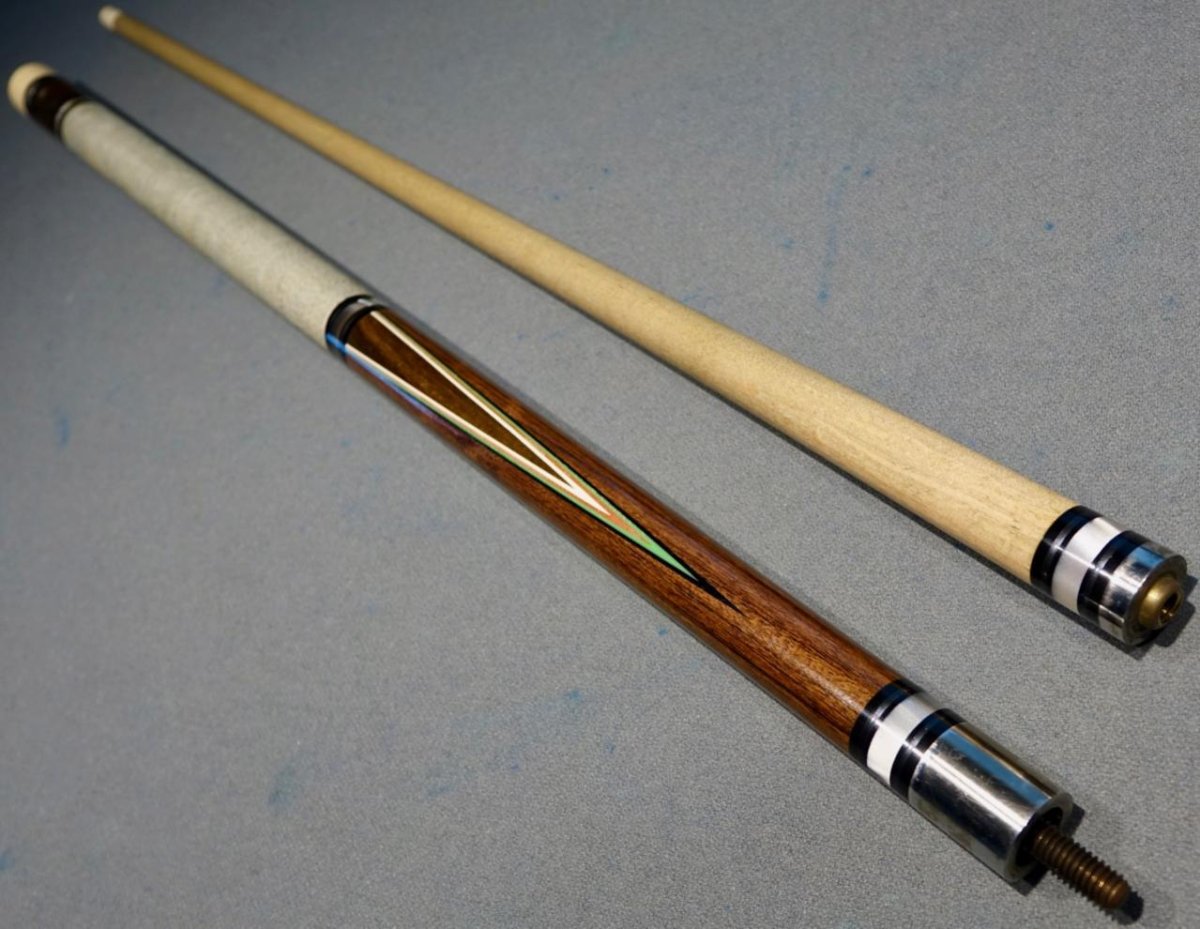
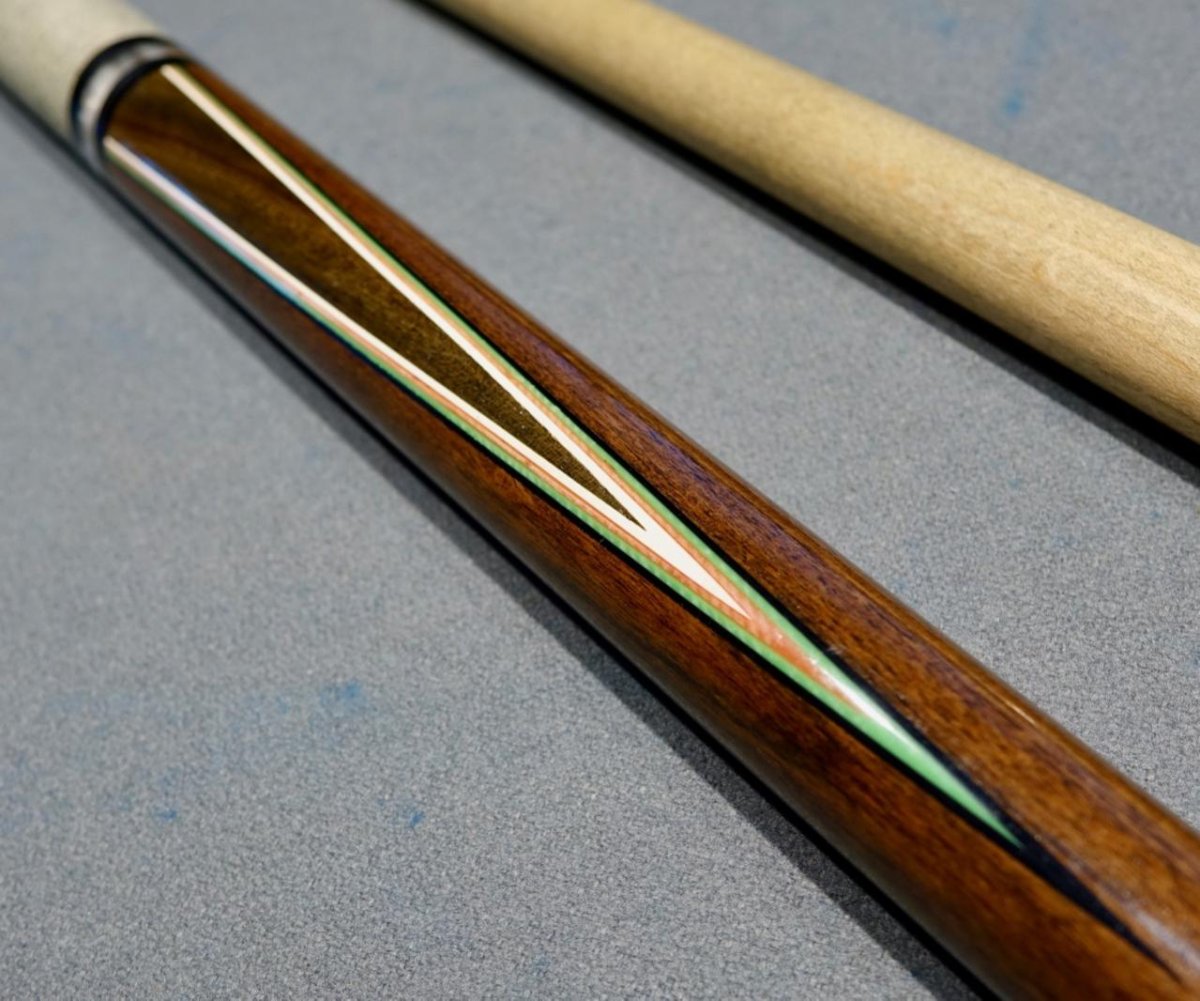
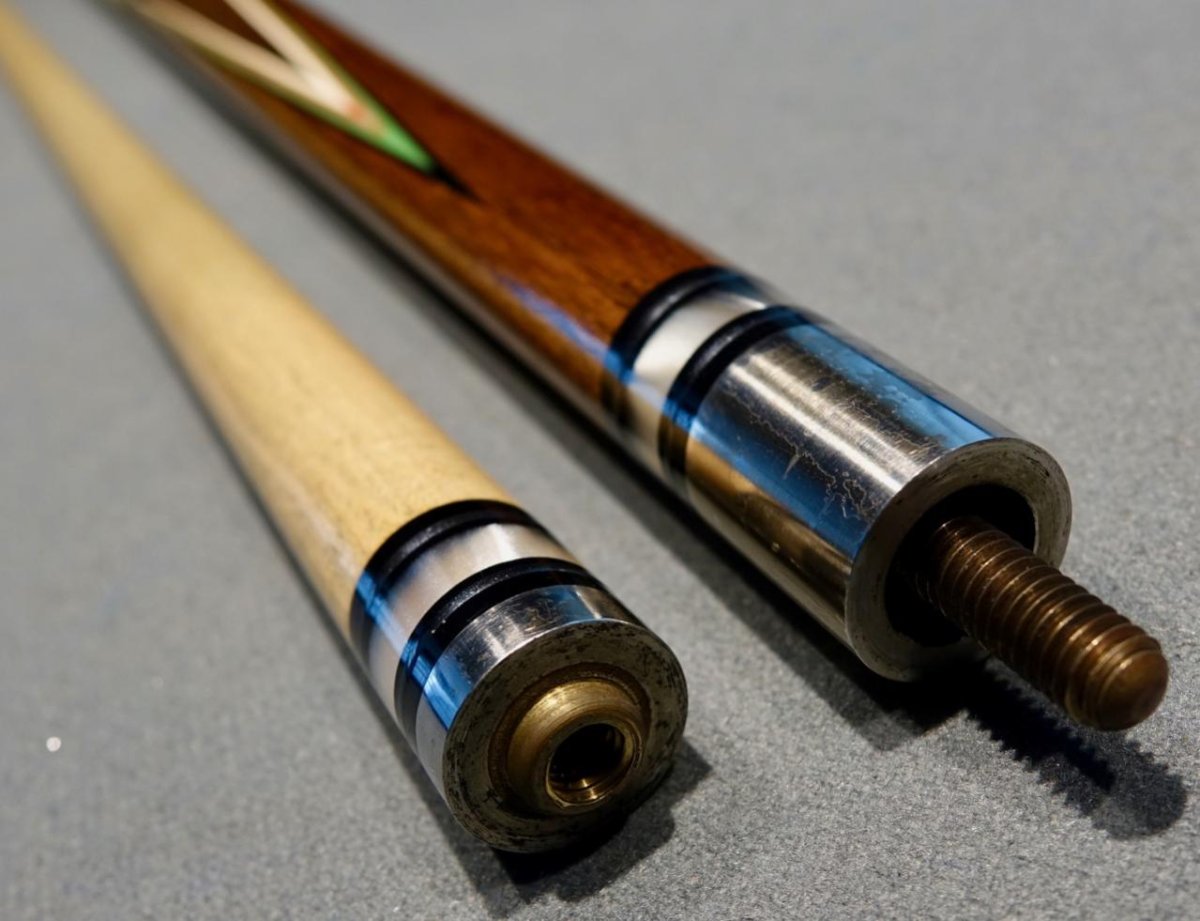
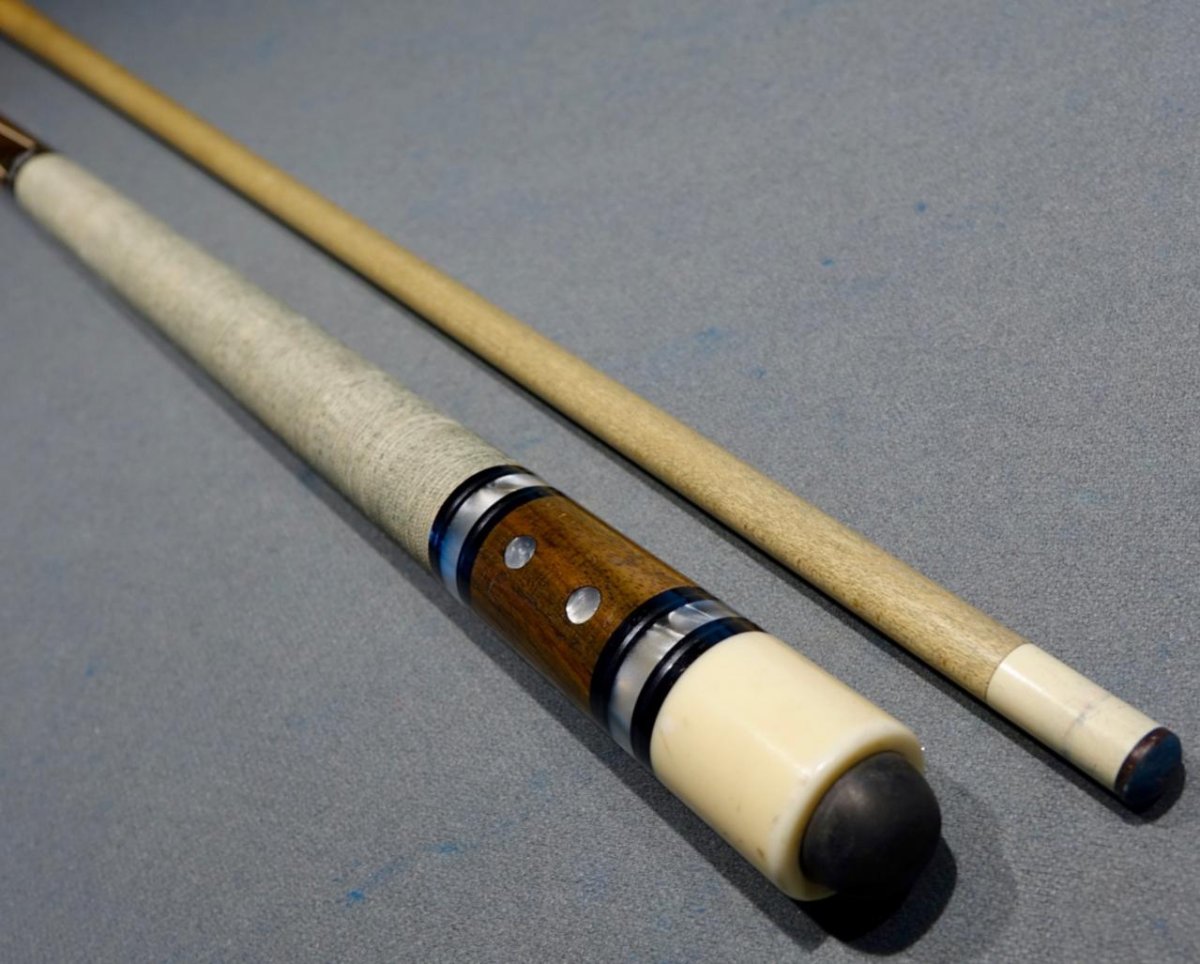
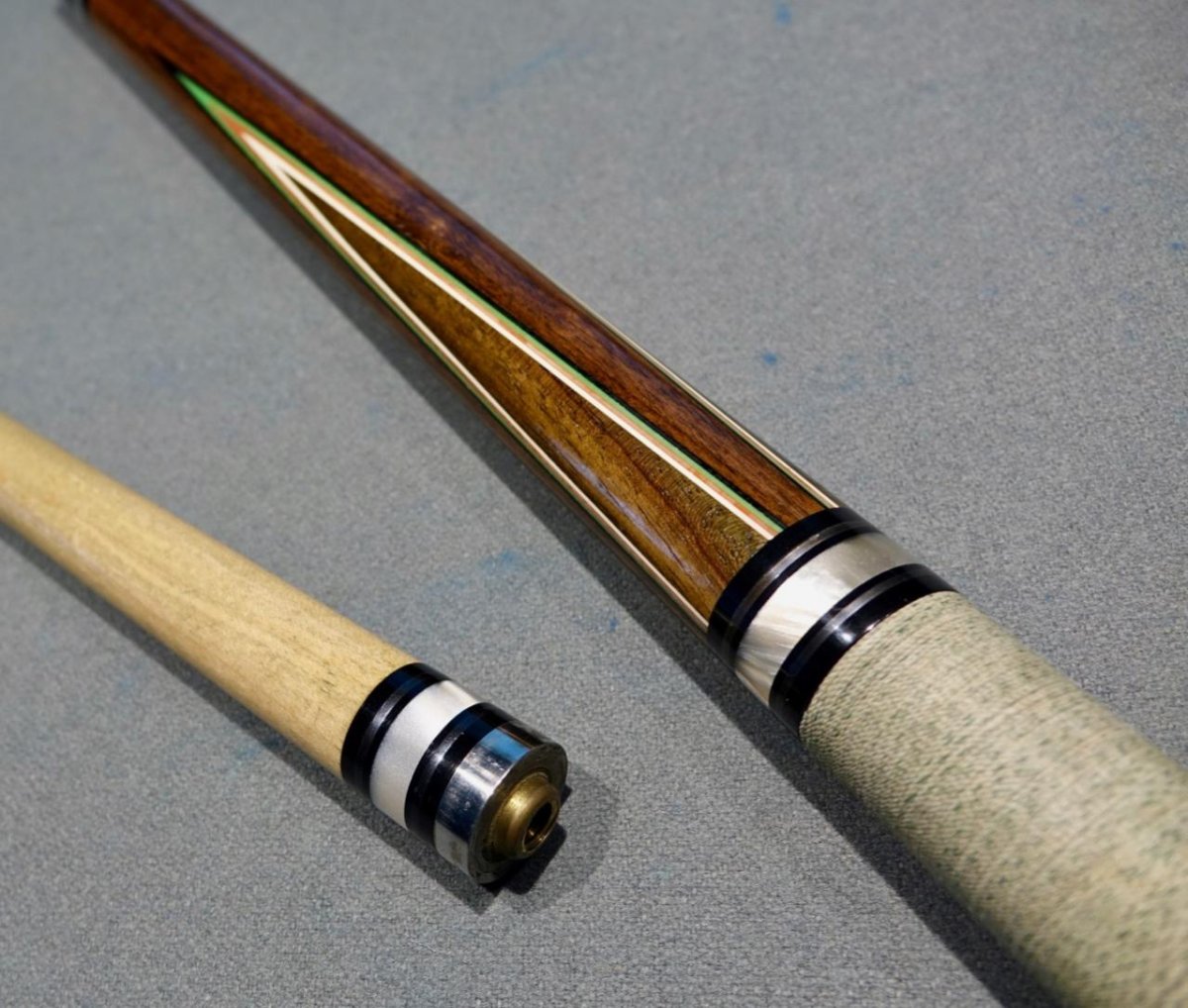
One of my RG-1000 Cues, later brass insert


But don't act like it's something you're born with. You have to learn. And if you haven't messed around at least with bhe, then you're limiting yourself, don't project your self-limiting on others.If people are leaving themselves shots where they are "afraid" of a little deflection, they don't know how to play position which means they don't know how to put the proper spin on the cue ball to begin with.
The cue ball oes straight if hit in the center with any kind of shaft.
If your cue makes the cue ball arc like a bowling ball on a 9-foot table when you are using English, throw it away.


Apologies. I thought you were referencing my cue based on the fact it doesn't have any markings and @David in FL mentioned Jerry remembers it.


David Rhoades spoke of The Big Eye being imagination.The zone is when imagination becomes reality.

