Does anyone know if there are any cue makers in Eastern Canada like New Brunswick area? Also ive been watching some videos on it and was wondering why they only thread the shaft at the joint and not use an insert? I would think it would be easy to strip the wood threads and the would get loose over time? Am i thinking wrong?

You are using an out of date browser. It may not display this or other websites correctly.
You should upgrade or use an alternative browser.
You should upgrade or use an alternative browser.
Cue making?
- Thread starter TrxR
- Start date

The joint types that don't use a brass insert, and instead thread directly into the wood, use a much coarser thread. The threads are larger and spaced further apart. This keeps the wood shaft threads from stripping. Those joints can typically last many years. McDermott, for example, has been making their shafts this way for decades, and they hold up quite well. They are more prone to failure than the brass insert type, but the failure rate is so low, its not really an issue.
In more recent times (about 10 years ago), a lot of the manufacturers started using phenolic at the very end of the shaft to form the threads into. This is stronger than the wood threads.
In more recent times (about 10 years ago), a lot of the manufacturers started using phenolic at the very end of the shaft to form the threads into. This is stronger than the wood threads.

There is no doubt in my mind that wood thread shafts- will, usually over a very long time period, tend to "loosen up" from having a metal screw inserted into the wood thread, no matter how coarse. ANY older cues that I have ever acquired that came originally with 2 shafts- if one shaft is relatively unplayed and the other shaft was used extensively for a period of time - there is a clear difference when you screw on either shaft. The unplayed shaft ALWAYS is a tighter fit. This is not usually the case when a shaft has an insert.The joint types that don't use a brass insert, and instead thread directly into the wood, use a much coarser thread. The threads are larger and spaced further apart. This keeps the wood shaft threads from stripping. Those joints can typically last many years. McDermott, for example, has been making their shafts this way for decades, and they hold up quite well. They are more prone to failure than the brass insert type, but the failure rate is so low, its not really an issue.
In more recent times (about 10 years ago), a lot of the manufacturers started using phenolic at the very end of the shaft to form the threads into. This is stronger than the wood threads.

Barring neglect, IMO, when the length of the pin is 3-4 times it's diameter, thread erosion shouldn't be an issue with hardwood such as maple or ash.
My regular player is a 25 year old Bob Owen with 3/8"-10 wood to wood joint. It locks up tighter than any other cues I have, including those with piloted joints.
My regular player is a 25 year old Bob Owen with 3/8"-10 wood to wood joint. It locks up tighter than any other cues I have, including those with piloted joints.


Sounds easy to just put a couple pieces of wood together. NOT, even if you get some instruction. Each cuemaker does it different and a good cuemaker spends years refining his craft. And the most important thing is don’t sell a cue you wouldn’t put your name on.Thanks for the replies.
can any of you recommend some good sources for reading on how to build a cue?
I understand that Its alot more than putting a couple of pieces of wood together that is why i want to learn more about it. I know some about woodworking as i grew up with a custom cabinet maker. I have no intention of building cues to sell but would like to learn as much about the process as possible and maybe try to build a few for myself .Sounds easy to just put a couple pieces of wood together. NOT, even if you get some instruction. Each cuemaker does it different and a good cuemaker spends years refining his craft. And the most important thing is don’t sell a cue you wouldn’t put your name on.
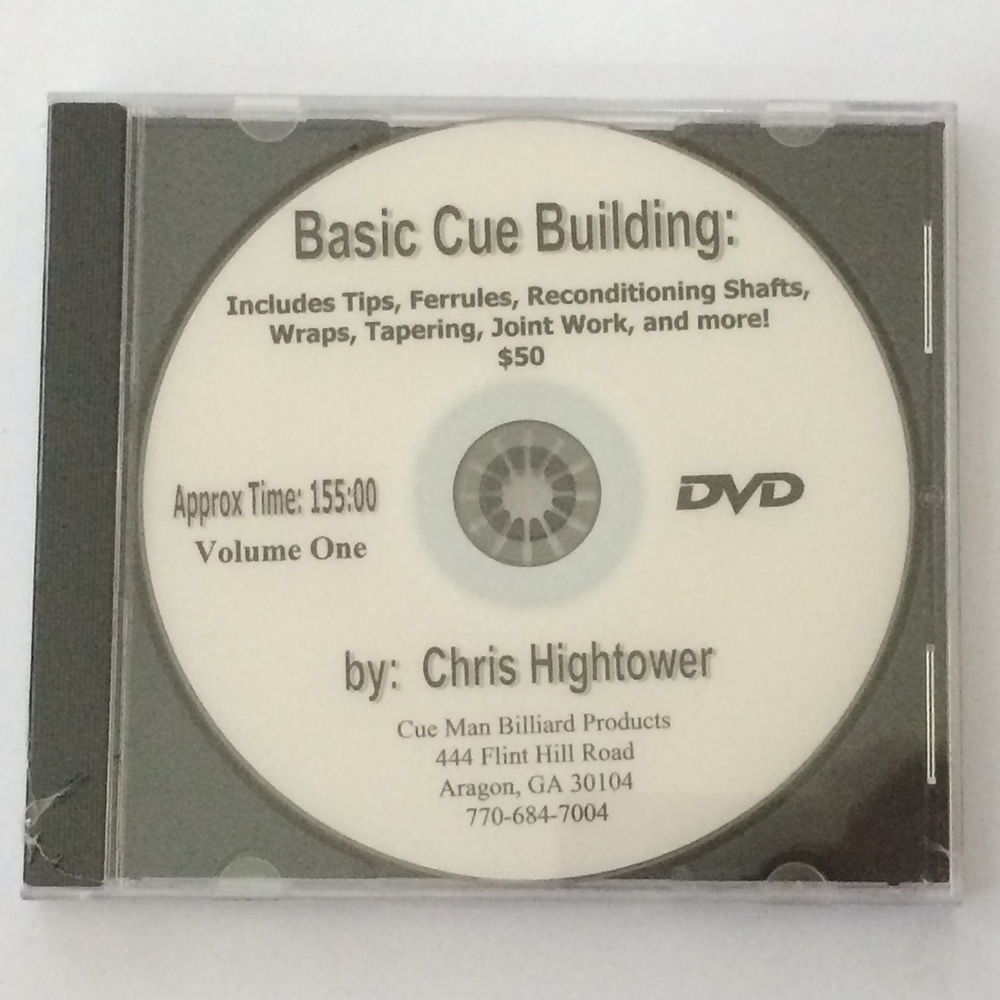
Basic Cue Building and Repair DVD - Cue Man Billiard Products
By: Chris Hightower 2.5 Hours (DVD or VHS) This video covers replacing tips, ferrules, wraps, shaft reconditioning, joint work, turning butts and shafts from scratch with and without taper attachments and more. All the work is done on our Cue Smith Lathes. This video comes with a $35 credit...
 www.cuesmith.com
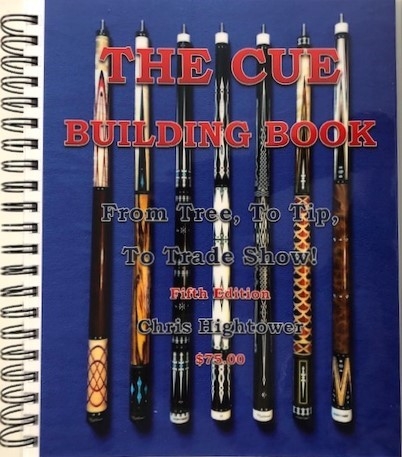
The Cue Building Book: From Tree, To Tip, To Trade Show! Fifth Edition. - Cue Man Billiard Products
By: Chris Hightower This is the most extensive book on cue building written to date. As the title suggests, it takes you through the complete cue building process from the sawmill, to the finished cue, to marketing your cues. It covers many things that the videos don’t. However, it is said that...
www.cuesmith.com
Also a lot of stuff on youtube.

I have a McDermott C-14 that I bought new. The cue is over 40 years old, has thousands of hours playing time and thousands and thousands of games on it, and the shaft still screws in snugly. And, I have broke with this cue thousands and thousands of times.There is no doubt in my mind that wood thread shafts- will, usually over a very long time period, tend to "loosen up" from having a metal screw inserted into the wood thread, no matter how coarse. ANY older cues that I have ever acquired that came originally with 2 shafts- if one shaft is relatively unplayed and the other shaft was used extensively for a period of time - there is a clear difference when you screw on either shaft. The unplayed shaft ALWAYS is a tighter fit. This is not usually the case when a shaft has an insert.
It also has been played with and stored in numerous climates all over the world…MS, Japan, MO, AR, ND, Turkey, UK, and Hawaii.
If you are careful with your stuff, I think it will hold up over the years.
Most of the cues that I have seen ”damaged (if you will)” were owned by people who aren’t as careful as I am when it comes to paying attention to what they are doing.
I keep seeing posts on here with people saying they need quick-release joints because they don’t have time to screw their cues together for some reason. Those people are usually the ones who have screwed-up (no pun intended) threads in their shafts. They are in too much of a hurry and not paying attention.
Slow down.
Pay attention.
Take care of your stuff.
Have fun.
Last edited:
Great point! all my acquired cues with wood screws where I saw the joint degradation were not cues that I owned from day one - and I am a lot like you in my care of my stuff - so I get your point.I have a McDermott C-14 that I bought new. The cue is over 40 years old, has thousands of hours playing time and thousands and thousands of games on it, and the shaft still screws in snugly. And, I have broke with this cue thousands and thousands of times.
It also has been played with and stored in numerous climates all over the world…MS, Japan, MO, ND, Turkey, UK, and Hawaii.
If you are careful with your stuff, I think it will hold up over the years.
Most of the cues that I have seen ”damaged (if you will)” were owned by people who aren’t as careful as I am when it comes to paying attention to what they are doing.
I keep seeing posts on here with people saying they need quick-release joints because they don’t have time to screw their cues together for some reason. Those people are usually the ones who have screwed-up (no pun intended) threads in their shafts. They are in too much of a hurry and not paying attention.
Slow down.
Pay attention.
Take care of your stuff.
Have fun.


Something that has always amazed me, is how many balls it’s possible to hit with a cue with no damage to the cue. Of course I’m talking about a properly built cue. That has always amazed me. Cues with 30-40 years of constant use and still show no meaningful wear(except tips & maybe bumper)
Great care with a well constructed cue goes a long way- as with most items of very high quality.Something that has always amazed me, is how many balls it’s possible to hit with a cue with no damage to the cue. Of course I’m talking about a properly built cue. That has always amazed me. Cues with 30-40 years of constant use and still show no meaningful wear(except tips & maybe bumper)

Yes sir! I’d say all you cue builders should get a big pat on the back for making a tool that seems to stand the test of time. Heck, even back when I was learning draw and miscuing much of the time, I never experienced a cracked, or damaged ferrule. I am glad that I learned on a relatively cheap production cue with a fiber ferrule though. I have a feeling that IV wouldn’t be quite as durable when it comes to beginners and miscues.Something that has always amazed me, is how many balls it’s possible to hit with a cue with no damage to the cue. Of course I’m talking about a properly built cue. That has always amazed me. Cues with 30-40 years of constant use and still show no meaningful wear(except tips & maybe bumper)
It’s just amazing how cues don’t wear out.Yes sir! I’d say all you cue builders should get a big pat on the back for making a tool that seems to stand the test of time. Heck, even back when I was learning draw and miscuing much of the time, I never experienced a cracked, or damaged ferrule. I am glad that I learned on a relatively cheap production cue with a fiber ferrule though. I have a feeling that IV wouldn’t be quite as durable when it comes to beginners and miscues.