
I found these 5 break shots diagrams on the web. Which break is the best and why?
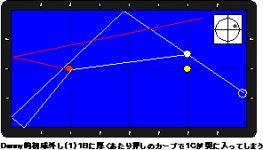
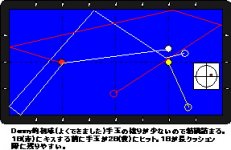

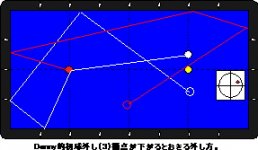
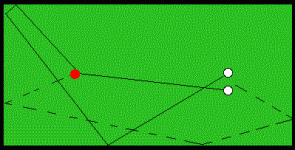



Robert Raiford said:I would think the 2nd diagram, since it's the only one shown scoring.
...Robert

Not included there is break shot I saw used all the time by one player (at Tiff Payne's in LA?) many years ago. Play an umbrella shot -- two cushions out of the far corner to red and then a side rail to the other ball. I think I saw him make it once. Or maybe he hit the red ball once. In Europe I think they restrict such people to the 8-foot tables.billiardshot said:I found these 5 break shots diagrams on the web. Which break is the best and why? ... [/ATTACH]
Bob Jewett said:Not included there is break shot I saw used all the time by one player (at Tiff Payne's in LA?) many years ago. Play an umbrella shot -- two cushions out of the far corner to red and then a side rail to the other ball. I think I saw him make it once. Or maybe he hit the red ball once. In Europe I think they restrict such people to the 8-foot tables.
Robert Raiford said:Speaking of crazy break shots, I diagrammed a few more here:
...
[Robert

Robert Raiford said:Speaking of crazy break shots, I diagrammed a few more here:
6 Guaranteed Ways to Lose the Opening Break Advantage
Good thing I don't live in Europe.
Robert
 when I click

billiardshot said:Raiford, any chance you could download or put these diagrams on this forum or do
another video with this information on youtube. For some reason I cannot view.
I been told I'm missing a [XTRA program]
to view your diagram.
Bob Watson
Bob Jewett said:Not included there is break shot I saw used all the time by one player (at Tiff Payne's in LA?) many years ago. Play an umbrella shot -- two cushions out of the far corner to red and then a side rail to the other ball. I think I saw him make it once. Or maybe he hit the red ball once. In Europe I think they restrict such people to the 8-foot tables.
You might be right. I think I saw it only a couple of times and he didn't score.mbvl said:I remember that guy at Tiff's, but I remember the shot differently. It was more like Robert's shot #6 except he used maximum english and went from the red directly to the end rail and then the spin brings it back toward the second object ball. ...
Wei, the shockwave was downloaded months back. Either I/others must of deleted something by mistake ? Hopefully I can find the problem before- Doing a restore!!??cuetable said:Hi Bob,
You will need Adobe Shockwave Player Plug in to view the CueTable diagrams, please see here:
http://pl.cuetable.com/showthread.php?t=711
This is a list of common CueTable Tech Issues:
http://pl.cuetable.com/forumdisplay.php?f=35
Thank you

billiardshot said:Still would like to see diagrams!

Bob Jewett said:Not included there is break shot I saw used all the time by one player (at Tiff Payne's in LA?) many years ago. Play an umbrella shot -- two cushions out of the far corner to red and then a side rail to the other ball. I think I saw him make it once. Or maybe he hit the red ball once. In Europe I think they restrict such people to the 8-foot tables.
12squared said:Hey Mark & Bob; who is the guy from Tiff's? It must have been after I left that area, but I'm dying to know if I know him. And by the way, hello.
Dave Gross
mbvl said:Hi, Dave,
It was so long ago that I have trouble remembering any details. It would have been in the early 70's. I believe he was Filipino. George Aronek would know.
Mark
PS: Congratulations again on your showing in Sacramento.
jimshovak said:Hey Robert,
What's wrong with the very simple long angle drop-in off the red?
It's a cookie!
Or how about banking out of the near corner 3 cushions to the long side of the red, giving you 2 ways to score on the 3rd ball after it hits the red?
Jim
