

You are using an out of date browser. It may not display this or other websites correctly.
You should upgrade or use an alternative browser.
You should upgrade or use an alternative browser.
Mc Dermott
- Thread starter JamisonNeu
- Start date

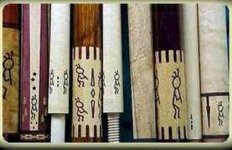
Bump!!!!!!!!!!!!!!!!!!

![1003001632[1].jpg](/data/attachments/114/114909-51b79e4a9ecbcfb6c923ff4176740f4f.jpg?hash=UbeeSp7Lz7)
Here is a zippo from the 60s with the cocapella if thats how you spell it.
I dont know what came first?
Thanks Rvan.
That is a very cool zippo. I collect Zippo's, I have about 25 different ones so far.
Dieckman doesnt make lighters he makes pool cues.
Last edited:

What now I got be a RatFooKer for Neu.
And keep an eye on you
Checkout the foolowing links
http://www.cuemaker.com/gallery27futurecuesnewkotapelliinlays.htm
http://www.cuemaker.com/cue_archive.htm
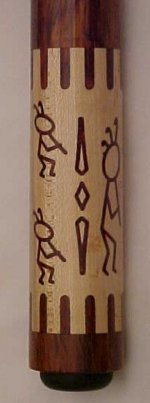
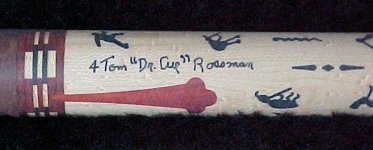
And keep an eye on you
Checkout the foolowing links
http://www.cuemaker.com/gallery27futurecuesnewkotapelliinlays.htm
http://www.cuemaker.com/cue_archive.htm
Last edited:

Dieckman cues
No disrespect to Mr. Dieckman's cues, but they have got to play really, really, really well cause they ain't much to look at. Why am I trying to be nice, they are ugly, god awful ugly.
No disrespect to Mr. Dieckman's cues, but they have got to play really, really, really well cause they ain't much to look at. Why am I trying to be nice, they are ugly, god awful ugly.

public domain
This image has been part of the culture of the Americas for more than 1000 years. In other words, anyone who wants to use it, can.
http://en.wikipedia.org/wiki/Kokopelli
This image has been part of the culture of the Americas for more than 1000 years. In other words, anyone who wants to use it, can.
http://en.wikipedia.org/wiki/Kokopelli

Shhh, don't tell Thomas Wayne because he did a Kokopelli cue last year for the ICCS show. I didn't know that Kokopelli is the god of fertility until Thomas did his presentation.
Mezz also did a cue with Kokopelli in it for the same show.
Thomas Wayne will have YOUR ASS though if he finds out you have done one.
JUST KIDDING Thomas, don't kill me.
Mezz also did a cue with Kokopelli in it for the same show.
Thomas Wayne will have YOUR ASS though if he finds out you have done one.
JUST KIDDING Thomas, don't kill me.

Bases on my little research into the Kokopelli character (an old American Indian legend) long long before Diekman and Thomas Wayne ... and McDermott came along.
One version of the legend here (just FYI):
Who was Kokopelli?
Known as a fertility god, prankster, healer and storyteller, Kokopelli has been a source of wonder throughout the country for centuries. Kokopelli embodies the true American Southwest, and dates back over 3,000 years ago, when the first petroglyhs were carved. Although his true origins are unknown, this traveling, flute-playing Casanova is a sacred figure to many Southwestern Native Americans. Carvings of his hunch-backed flute-playing figure have been found painted and carved into rock walls and boulders throughout the Southwest.
There are many myths of the famous Kokopelli. One of which is that he traveled from village to village bringing the changing of winter to spring; melting the snow and bringing about rain for a successful harvest. It is also said that the hunch on his back depicted the sacks of seeds and songs he carried. Legend also has it that the flute playing also symbolized the transition of winter to spring. Kokopelli’s flute is said to be heard in the spring’s breeze, while bringing warmth. It is also said that he was the source of human conception. Legend has it, everyone in the village would sing and dance throughout the night when they heard Kokopelli play his flute. The next morning, every maiden in the village would be with child.
Whatever the true meaning of Kokopelli is, he has been a source of music making and dancing, and spreading joy to those around him. Even today, Kokopelli, with his hunchback and flute, is always welcome in our homes.
One version of the legend here (just FYI):
Who was Kokopelli?
Known as a fertility god, prankster, healer and storyteller, Kokopelli has been a source of wonder throughout the country for centuries. Kokopelli embodies the true American Southwest, and dates back over 3,000 years ago, when the first petroglyhs were carved. Although his true origins are unknown, this traveling, flute-playing Casanova is a sacred figure to many Southwestern Native Americans. Carvings of his hunch-backed flute-playing figure have been found painted and carved into rock walls and boulders throughout the Southwest.
There are many myths of the famous Kokopelli. One of which is that he traveled from village to village bringing the changing of winter to spring; melting the snow and bringing about rain for a successful harvest. It is also said that the hunch on his back depicted the sacks of seeds and songs he carried. Legend also has it that the flute playing also symbolized the transition of winter to spring. Kokopelli’s flute is said to be heard in the spring’s breeze, while bringing warmth. It is also said that he was the source of human conception. Legend has it, everyone in the village would sing and dance throughout the night when they heard Kokopelli play his flute. The next morning, every maiden in the village would be with child.
Whatever the true meaning of Kokopelli is, he has been a source of music making and dancing, and spreading joy to those around him. Even today, Kokopelli, with his hunchback and flute, is always welcome in our homes.