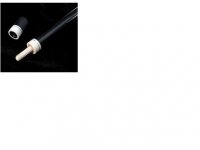
Since the pin is holding both halves of the cue together, then each stick half is inherently pulling the pin in two opposing directions. The load would have to be distributed accross the pin's threads in addition to the touching joint collar surfaces. At least this is my impression... is this incorrect?
To an extent it is correct, except the use of the cue is to hit balls, when you do that it pushes the cue together, but since the joint is butted up against itself the energy transfers threw the cue. Now if you didn't have it together all the way the pin threads would have to deal with a load.
The ivory pin is probably fine from stresses moving along the cue's length, but would breaking subject the pin to any horizontal or side-based loads?
This is correct, I believe this to be very bad for Ivory or any pin, the one difference might be the way Ivory reacts to temp swings (cold to hot) SO if it were to take a smash from the side or if you took it from the -12 trunk of your car into an 85* pool room you may be looking for a new pin.
I often see mountain bike frames and components getting torn apart by inadequate engineering, so I tend to be a proponent of overbuilding for stress instead of underbuilding. As a result, please take my text with a grain of salt