I'm getting ready to make a sneaky pete with a ivory butt cap, joint, and ferrules. I don't have the ability to thread the joint on so I am wondering what is the best way to join the ivory at the joint. I have never worked with ivory before so if you guys have any tips I would greatly appreciate it. Thanks in advance.:smile:

You are using an out of date browser. It may not display this or other websites correctly.
You should upgrade or use an alternative browser.
You should upgrade or use an alternative browser.
Ivory Joint
- Thread starter seahorse1877
- Start date

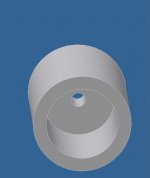
Drill about 2/3rd the way through the joint then bore it to joint ring size leaving it solid capped on top with a small glue relief hole. Install it kind of like a capped unthreaded ferrule. That may be over simplification, but I don't know how to draw here. But it is portrayed below with some broken lines.
JOINT----------------TENON------------BUTT
||||||||||||||||| ----------------|||||||||||||||||||||||||
||||||----------------|||||||||||||||||||||||||||||||||||||
||||||----------------|||||||||||||||||||||||||||||||||||||
||||||----------------|||||||||||||||||||||||||||||||||||||
|||||||||||||||||-----------------|||||||||||||||||||||||||
JOINT----------------TENON------------BUTT
||||||||||||||||| ----------------|||||||||||||||||||||||||
||||||----------------|||||||||||||||||||||||||||||||||||||
||||||----------------|||||||||||||||||||||||||||||||||||||
||||||----------------|||||||||||||||||||||||||||||||||||||
|||||||||||||||||-----------------|||||||||||||||||||||||||
Last edited:


||||||||||||||||| ----------------|||||||||||||||||||||||||
||||||----------------|||||||||||||||||||||||||||||||||||||
||||||----------------|||||||||||||||||||||||||||||||||||||
||||||----------------|||||||||||||||||||||||||||||||||||||
|||||||||||||||||-----------------|||||||||||||||||||||||||
Good imagination I like it.

Drill about 2/3rd the way through the joint then bore it to joint ring size leaving it solid capped on top with a small glue relief hole. Install it kind of like a capped unthreaded ferrule. That may be over simplification, but I don't know how to draw here. But it is portrayed below with some broken lines.
JOINT----------------TENON------------SHAFT
||||||||||||||||| ----------------|||||||||||||||||||||||||
||||||----------------|||||||||||||||||||||||||||||||||||||
||||||----------------|||||||||||||||||||||||||||||||||||||
||||||----------------|||||||||||||||||||||||||||||||||||||
|||||||||||||||||-----------------|||||||||||||||||||||||||
I like your drawing Chris...:thumbup::thumbup:

dave sutton
Banned
great effort chris....
Once I have it installed is it ok to cut it down with a router? And do you have any tips on sanding and finishing?
Heat is your bigest enemy. Drill your hole with a small drill. Back it out several times to clean out the Ivory from the bit. The go back with a little bit bigger drill. Keep increasing the drill size til you get the final hole size. Get it too hot or drill to fast & it will crack...JER
P.S. I use a 5/64" glue relief hole.
P.S. I use a 5/64" glue relief hole.
.905 OD
.625 ID by 3/4 long
Cap is .250 thick.
Bleed hole is 1/8.
Taper after installation.
Now that is what I call a real drawing. Thanks for helping us out here.

You guys don't thread on your ivory?
You guys don't thread on your ivory?
The original poster does not have tap or live threader for it.

You guys don't thread on your ivory?
I never do. It only makes them more likely to crack.
Sherm

You guys don't thread on your ivory?
I thought about it once then I thought about it again and realized that there was nothing pushing of pulling it off - it is just sitting there with a shaft pushing against it so how can it come off even without glue?
I also don't use a capped joint because I like the flat thru type joint. The wood takes up most of the impact and the ivory just takes up some of the impact. If the joint is faced properly it works fine.
I have made hundreds of cues with an ivory joint and only had two returned in 15 years. I replaced both at no cost to the customer.
With a capped ivory joint there is a void between the end of the wood forearm and the ivory joint. If there is no void then the ivory joint cannot seat against shoulder.

I thought about it once then I thought about it again and realized that there was nothing pushing of pulling it off - it is just sitting there with a shaft pushing against it so how can it come off even without glue?
I also don't use a capped joint because I like the flat thru type joint. The wood takes up most of the impact and the ivory just takes up some of the impact. If the joint is faced properly it works fine.
I have made hundreds of cues with an ivory joint and only had two returned in 15 years. I replaced both at no cost to the customer.
With a capped ivory joint there is a void between the end of the wood forearm and the ivory joint. If there is no void then the ivory joint cannot seat against shoulder.
Arnot,
Two questions:
1) Wouldn't that void mentioned be filled with epoxy as you press the joint on and the glue flows out of the relief hole?
2) If you prefer an uncapped joint, do you sleeve the tennon with phenolic, then sleeve that with the ivory? I've even seen them sleeved with metal before.
Thanks.
Mr H
Arnot,
Two questions:
1) Wouldn't that void mentioned be filled with epoxy as you press the joint on and the glue flows out of the relief hole?
2) If you prefer an uncapped joint, do you sleeve the tennon with phenolic, then sleeve that with the ivory? I've even seen them sleeved with metal before.
Thanks.
Mr H
You are correct that the void would be filled with epoxy. I just don't think epoxy glue is intended to be (for the lack of a better word) beat on. I know it does not conduct the harmonics that I expect from shaft to forearm. I am sure it is strong enough - I just don't like it.
The purpose of a joint is to have a material that is stronger than the wood forearm. Ivory is much stronger. I don't see any reason to sleeve it with phenolic but I know a lot of cuemakers do it that way.
I imagine that every way that I have seen an Ivory joint installed is good enough. I just think my way is better in that it hit nice and is durable enough unless the cue is abused; then nothing is strong enough.
I have done them both ways in the past. I have been threading them because I like to have the cue hold itself together with the glue just making sure nothing can come loose. I never had any issues with either style so I never messed with sleeving the ivory over phenolic. I just thought everyone was threading them these days.
I thread my collars so I can put constant pressure to the bottom.I have done them both ways in the past. I have been threading them because I like to have the cue hold itself together with the glue just making sure nothing can come loose. I never had any issues with either style so I never messed with sleeving the ivory over phenolic. I just thought everyone was threading them these days.
I think they make for cleaner lines.
I use stag, wood and phenolic though, not ivory.
Last edited:
I have done them both ways in the past. I have been threading them because I like to have the cue hold itself together with the glue just making sure nothing can come loose. I never had any issues with either style so I never messed with sleeving the ivory over phenolic. I just thought everyone was threading them these days.
As to a cue "holding itself together" my first thought goes to all the long spliced cues made for decades that have nothing but wood glue holding them together and I have seen many over 50 years old still being used today.
Even if all the parts of a cue are threaded it is still the glue that holds everything together.
The epoxy glues of today have so much strength (even the 5 minute epoxy) that you can't break the glue with a hammer. The wood will break out at the glue line but the glue usually remains intact.
The main thing when using glue is to use it according to the manufacturer's directions. That usually means that the surface must be clean. I rough up all my parts with sandpaper and blow off all the dust with compressed air before I glue the parts up.
*********For what it's worth***********
And we've replaced that section with threaded bolts. :grin:As to a cue "holding itself together" my first thought goes to all the long spliced cues made for decades that have nothing but wood glue holding them together and I have seen many over 50 years old still being used today.
Some use oversized fiberglass or wood.
Yes, and the threads as mechanical bond keeps less pressure on the adhesive bond IMHO.Even if all the parts of a cue are threaded it is still the glue that holds everything together.
True but it still doesn't prevent wood from expanding and contracting. Same goes for ivory.The epoxy glues of today have so much strength (even the 5 minute epoxy) that you can't break the glue with a hammer. The wood will break out at the glue line but the glue usually remains intact.

Absolutely.The main thing when using glue is to use it according to the manufacturer's directions. That usually means that the surface must be clean. I rough up all my parts with sandpaper and blow off all the dust with compressed air before I glue the parts up.