Steel Joint vs. non-steel Joint (Phenolic / Juma / Elforyn / Ivory) – Which Do You Prefer?

Ok professor, I will research what you provided. But dang can't you take it easy on a sub 500 Fargo, I'm new! :rolleyes: ?
he doesn’t mean to be grumpy. thats just the standard cadence for a lot of the regulars on here. after so many years of azbing every day, they forgot that there are other humans that dont live like that.

dont let it bother you and you’ll do alright.

i love garczars posts lol

How many cues is too much?

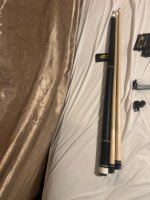
I wanted to combine several specs I have in different cues into one cue for it to be my main player and not to pay too much money.... (my rule of not paying over a $1000 is still enforced)
I'll report back after I'll get it if it was worth it and if it got the job done.
Have fun with it. Worse case buy another cue ….no finish line buying/owning cues.

Steel Joint vs. non-steel Joint (Phenolic / Juma / Elforyn / Ivory) – Which Do You Prefer?

do a blind teat and report back
in the meucci test you had pros for gods sake and they couldnt tell
what you can (i think ) tell is the weight and balancr of the butt and how the vibrations of the hit transfer to your hand
it's more than weight and balance, it's more than the joint pin or the joint collar.
Take two simple Plain Jane maple cues, with the same joint type, with the same weight and balance and compare with the exact same shaft, and you might feel a difference in the hit. Not all woods are the same, not all cue makers treat the wood the same, not all cues are constructed the same. just like old growth maple shaft feels different and plays different from fresh Chinese maple shaft (even it both are with the same taper, ferrule material and tip).
The joint type is part of the butt and between two equal butts (as much as possible) on terms of construction and specs it will make a noticeable difference.

Filter

Back
Top